Have you ever scrolled back in your messaging app, desperately searching for that one crucial piece of information from a conversation months ago, only to find it's…gone? Many messaging apps have a feature called auto -delete, which automatically deletes older conversations to save storage space or for privacy reasons. While helpful in some cases, it can be incredibly frustrating when important messages vanish. Don't worry; you can usually control this! Let's dive into how to turn off auto-delete for old conversations so you can keep those precious memories and vital data safe. Understanding Auto-Delete and Why It Matters Before we get into the "how-to," let's take a moment to understand why auto-delete exists and why you might want to disable it. Auto-delete features in messaging apps, likeSignal, Telegram, Whats App, and even some email clients , are designed to automatically remove messages after a specified period. This can rang...
Buying a car can be exciting, but navigating the world of auto loans? Not so much. Interest rates, terms, lenders… it can all feel overwhelming. But don't worry! If you're looking for a potentially better deal on your next auto loan, you might want to steer your wheels toward credit unions. Let's dive into what makes credit union auto loan rates a potentially attractive option.
Understanding Credit Union Auto Loan Rates
What exactly makes credit union auto loan rates potentially appealing? Well, credit unions are not-for-profit financial institutions, meaning they are owned by their members, not shareholders. This difference in structure often translates to several advantages for borrowers, especially when it comes to securing a car loan. Their goal is to serve their members' financial well-being, which can lead to more favorable terms compared to traditional banks. Here's a breakdown of why that can be the case:
- Lower Interest Rates: Credit unions often offer lower interest rates on auto loans than banks. Since they're not driven by profit maximization, they can pass on savings to their members. This can save you significant money over the life of your loan.
- Flexible Loan Terms: You may find more flexibility in loan terms (the length of time you have to repay the loan) at a credit union. This allows you to choose a payment schedule that fits your budget.
- Personalized Service: Credit unions are known for their personalized service. You're more likely to deal with a friendly and knowledgeable loan officer who can help you navigate the loan process and find the best solution for your needs.
- Lower Fees: Credit unions may have lower or fewer fees associated with their auto loans compared to banks. This can include application fees, origination fees, and prepayment penalties.
Comparing Credit Union Car Loan Rates to Other Lenders
While credit unions often offer competitive rates, it's always crucial to compare rates from various lenders to ensure you're getting the best possible deal. This includes banks, online lenders, and even dealership financing. Comparing credit union car loan rates across institutions as well is beneficial. Here’s a general comparison:
Credit Union Auto Loan Rates vs. Bank Auto Loan Rates
Banks are for-profit institutions, so they generally need to earn a profit for their shareholders. This can often mean higher interest rates and more fees on loans. While some banks may offer competitive rates, credit unions frequently have the upper hand, particularly for those with good credit scores. However, large national banks often have very streamlined online application processes, which is a major advantage they hold.
Credit Union Auto Loan Rates vs. Online Lenders
Online lenders often offer competitive rates and a convenient application process. They can be a good option if you have a strong credit history. However, they may not provide the same level of personalized service as a credit union. Online lenders might also have stricter eligibility requirements than some credit unions.
Credit Union Auto Loan Rates vs. Dealership Financing
Dealership financing can be tempting because of its convenience, but it's often the most expensive option. Dealerships make money on the loan itself, so they may not offer the best interest rates. Always compare dealership financing with other options before making a decision. Dealerships often focus on the monthly payment rather than the overall cost of the loan. This makes it easy to overpay when using dealership financing.
Example:
Let's say you're looking to finance a $25,000 car with a 60-month loan. Here's a hypothetical comparison of interest rates:
- Credit Union: 6.0% APR
- Bank: 7.5% APR
- Dealership: 9.0% APR
In this scenario, choosing the credit union loan would save you hundreds, if not thousands, of dollars over the life of the loan. Always calculate the total cost of the loan, including interest, fees, and other charges, to make an informed decision.
Factors Affecting Your Credit Union Auto Loan Rate
Several factors can influence the interest rate you receive on a credit union auto loan. Understanding these factors can help you prepare and potentially secure a better rate:
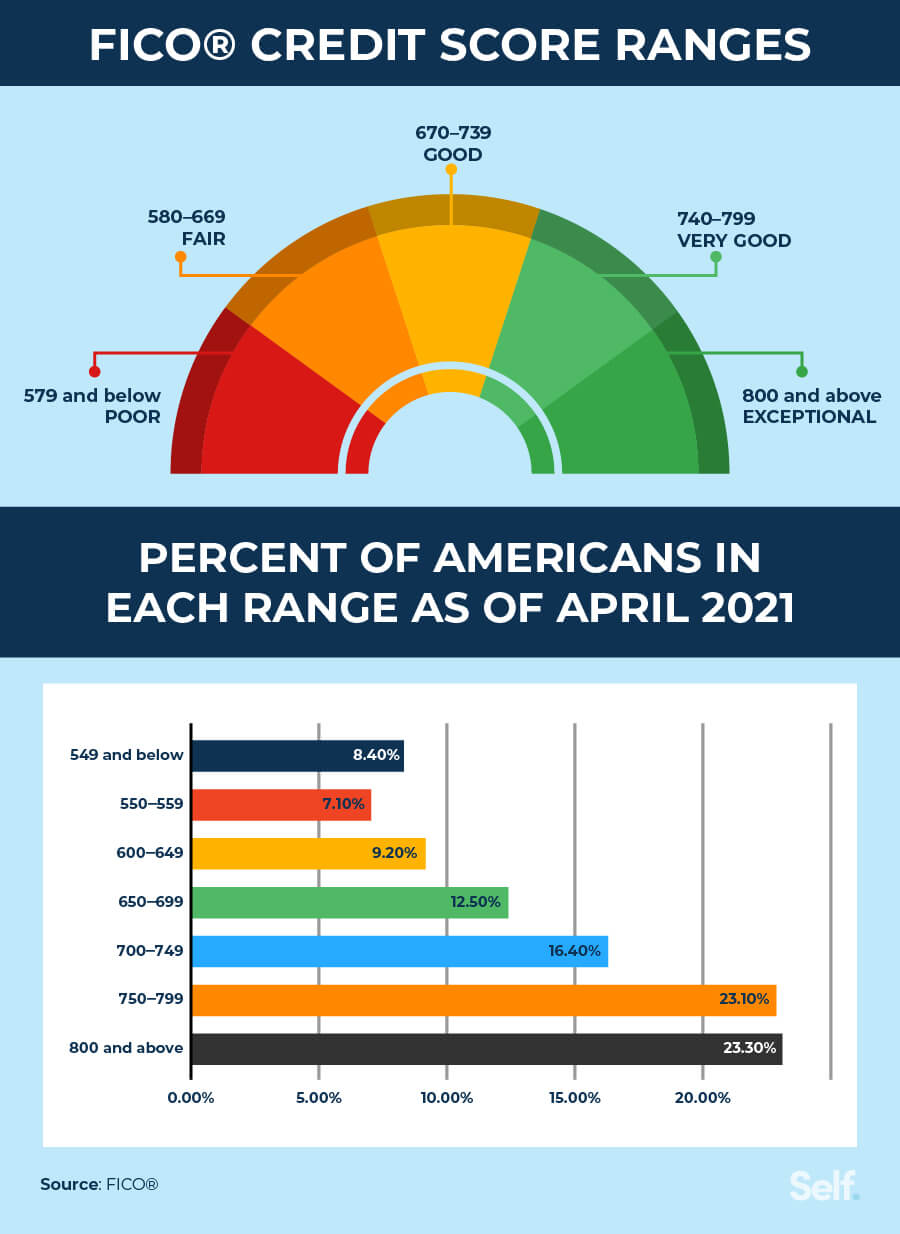
- Credit Score: Your credit score is a primary factor. A higher credit score generally translates to a lower interest rate. Credit unions typically reward borrowers with excellent credit histories.
- Loan Term: Shorter loan terms typically come with lower interest rates. Longer loan terms mean lower monthly payments, but you'll pay more interest over the life of the loan.
- Loan Amount: The amount you borrow can impact your interest rate. Larger loan amounts may sometimes result in slightly higher rates.
- Vehicle Age and Type: Loans for new cars often have lower rates than loans for used cars. The type of vehicle (e.g., a sports car vs. a sedan) can also affect the rate.
- Down Payment: A larger down payment can lower the risk for the lender, potentially leading to a lower interest rate.
- Membership: Some credit unions offer preferential rates to long-standing members or those with strong relationships with the credit union.
Tips for Getting the Best Credit Union Auto Loan Rates
Here are some practical tips to help you secure the most favorable credit union auto loan rates:
- Improve Your Credit Score: Before applying for a loan, take steps to improve your credit score. This includes paying your bills on time, reducing your debt, and checking your credit report for errors.
- Shop Around: Don't settle for the first offer you receive. Compare rates from multiple credit unions and other lenders to find the best deal.
- Get Pre-Approved: Getting pre-approved for an auto loan gives you a better understanding of how much you can borrow and what interest rate you'll likely receive. This also strengthens your negotiating position at the dealership.
- Consider a Co-signer: If you have a limited credit history or a lower credit score, consider applying with a co-signer who has good credit.
- Negotiate: Don't be afraid to negotiate with the credit union. Point out any offers you've received from other lenders and see if they're willing to match or beat those rates.
- Review the Loan Documents Carefully: Before signing any loan documents, carefully review all the terms and conditions. Make sure you understand the interest rate, payment schedule, fees, and any other relevant information.
Finding Credit Unions and Comparing Rates
Finding credit unions in your area is easier than ever. You can use online search tools, such as the Credit Union National Association (CUNA) website or the National Credit Union Administration (NCUA) locator. Many credit unions also have websites where you can learn more about their auto loan products and rates. Once you've identified a few potential credit unions, take the time to compare their rates and terms. Look for credit unions that offer competitive rates, flexible loan terms, and a personalized service experience. Don't hesitate to contact the credit unions directly to ask questions and clarify any details. Also, consider contacting a local credit union versus a nationwide credit union; local credit unions might be more invested in the local economy.
The Bottom Line: Credit Union Auto Loan Rates are Worth Considering
Securing a car loan doesn't have to be a stressful experience. By understanding your options and doing your research, you can find a loan that fits your budget and helps you drive away with confidence. Credit unions are a great place to start your search, but remember to compare rates and terms from various lenders to ensure you're getting the best possible deal on your auto loan. Understanding the different factors that go into credit union auto loan rates will enable you to make a smart financial choice.