Have you ever scrolled back in your messaging app, desperately searching for that one crucial piece of information from a conversation months ago, only to find it's…gone? Many messaging apps have a feature called auto -delete, which automatically deletes older conversations to save storage space or for privacy reasons. While helpful in some cases, it can be incredibly frustrating when important messages vanish. Don't worry; you can usually control this! Let's dive into how to turn off auto-delete for old conversations so you can keep those precious memories and vital data safe. Understanding Auto-Delete and Why It Matters Before we get into the "how-to," let's take a moment to understand why auto-delete exists and why you might want to disable it. Auto-delete features in messaging apps, likeSignal, Telegram, Whats App, and even some email clients , are designed to automatically remove messages after a specified period. This can rang...
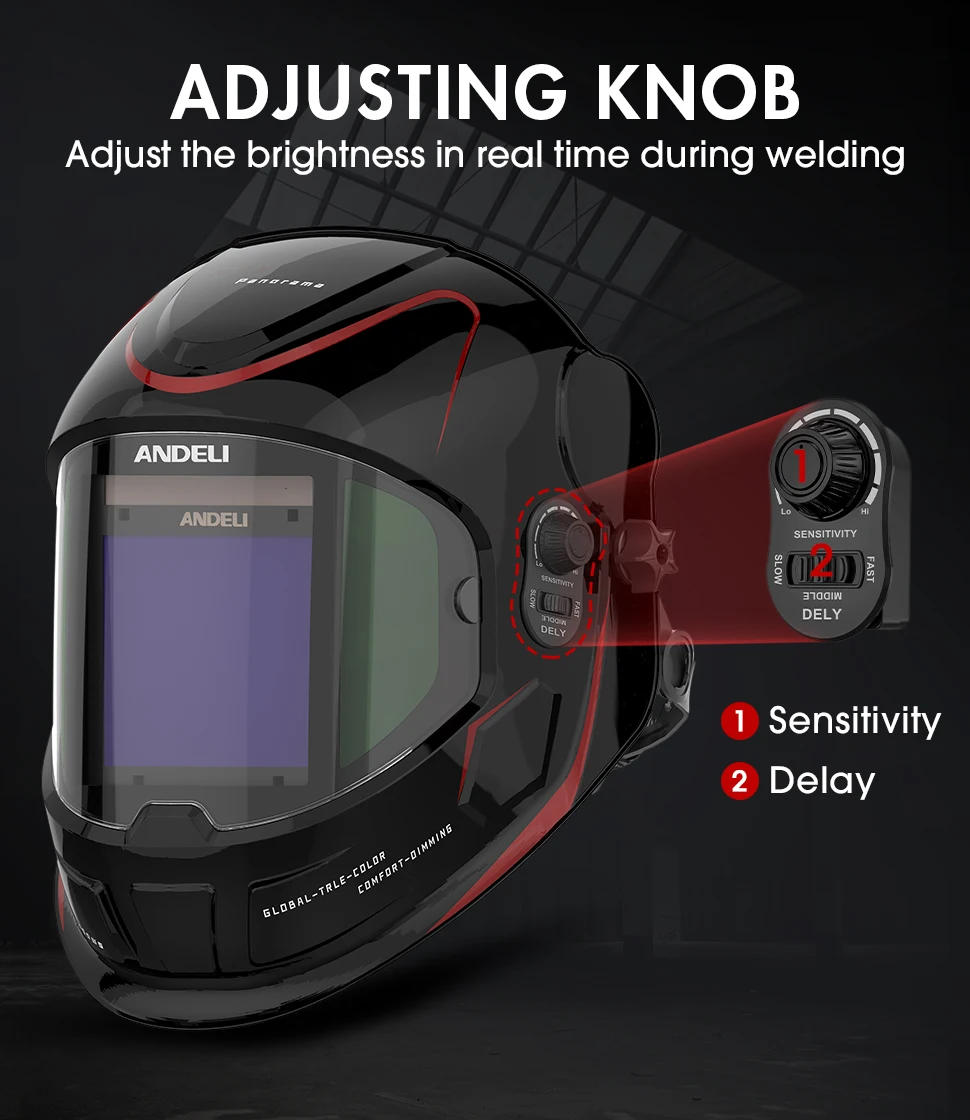
Welding is a craft that demands precision, skill, and above all, safety. Back in the day, welders had to rely on a fixed shade lens, requiring a neck-snapping nod to initiate the arc. Thankfully, technology has stepped in to make things safer and more efficient. Today, we're diving deep into the world of auto-darkening welding helmets, exploring why they're a game-changer for welders of all levels.
Understanding Auto Darkening Welding Helmets
So, what exactly is an auto-darkening welding helmet? Simply put, it's a helmet equipped with a special lens that automatically darkens when it detects the bright light produced by a welding arc. This happens in a fraction of a second, protecting your eyes from the intense ultraviolet (UV) and infrared (IR) radiation that welding generates. Before auto-darkening helmets, welders used traditional fixed-shade helmets. These required a manual "nod" to drop the helmet into place before striking an arc, which could be cumbersome and lead to neck strain over time. An auto-darkening welding helmet removes that necessity.
How Auto Darkening Welding Helmets Work: The Science Behind the Shade
The magic lies in theliquid crystal display (LCD) within the lens. This LCD is layered between two polarizing filters. When the helmet is in its resting state, the LCD is clear, allowing you to see your work area clearly. However, when the sensors on the helmet detect the intense light of a welding arc, they trigger an electronic circuit. This circuit applies a voltage to the LCD, causing the liquid crystals to align. This alignment blocks a specific amount of light, instantly darkening the lens to a pre-selected shade level. The speed at which this darkening happens is measured in milliseconds, and faster is always better. Many high-quality helmets boast switching speeds as low as 1/25,000 of a second! Once the arc is extinguished, the lens automatically returns to its clear state, allowing you to see your work again without needing to lift the helmet.
Think of it like this:
Resting State: The LCD is "relaxed," letting light through. Arc Detection: Sensors detect the arc and send a signal. LCD Activation: Voltage aligns the liquid crystals. Lens Darkening: Light is blocked, protecting your eyes. Arc Extinguished:The voltage is removed, and the lens clears.
Key Components of an Auto Darkening Welding Helmet
Auto-darkening welding helmets are complex pieces of equipment. Each part is designed for the wearer's safety. It's important to know what each part is for:
The Shell: The outer shell is typically made from a durable, heat-resistant plastic. Its primary function is to protect your face and head from sparks, spatter, and radiation. The Auto-Darkening Lens (ADL): This is the heart of the helmet. It contains the LCD, polarizing filters, and electronic circuitry responsible for the auto-darkening function. Sensors: These are light-sensitive diodes that detect the welding arc. The number and placement of sensors can affect the helmet's responsiveness and accuracy. Most auto-darkening helmets have at least two sensors, but higher-end models often have three or four for better coverage. Control Panel: This allows you to adjust various settings, such as shade level, sensitivity, and delay. Headgear: The headgear provides a comfortable and secure fit. It's adjustable to accommodate different head sizes and shapes. Power Source: Most auto-darkening helmets are powered by a combination of solar cells and replaceable batteries. Solar cells help extend battery life.
Benefits of Using an Auto Darkening Welding Helmet
Why should you consider switching to an auto-darkening welding helmet? The advantages are numerous and can significantly improve your welding experience.
Improved Safety and Eye Protection
This is the most crucial benefit. Auto-darkening helmets provide constant protection from harmful UV and IR radiation. With a fixed-shade helmet, there's a brief period between striking the arc and lowering the helmet where your eyes are exposed. An auto-darkening helmet eliminates this risk. According to OSHA, arc eye, also known as welder's flash, is a common injury. The CDC also states that even brief exposure to welding arc flash can cause temporary blindness, also known as flash blindness. Auto-darkening welding helmets offer continuous protection.
Increased Productivity and Efficiency
The "nod" required with traditional helmets takes time and can disrupt your workflow. An auto-darkening helmet allows you to keep both hands free, leading to increased efficiency. You can position your workpieces more accurately and maintain a stable welding position. This is very beneficial for TIG welding where your hands need to be precisely controlled. You do not need to interrupt the welding process.
Enhanced Visibility and Clarity
The clear state of an auto-darkening lens provides excellent visibility of your work area before and after welding. This allows you to prepare your materials and inspect your welds with ease. You can also choose a shade that is perfectly suited for the situation. High-quality auto-darkening helmets offer excellent optical clarity, minimizing distortion and eye strain.
Greater Comfort and Reduced Fatigue
No more neck strain from constantly nodding your head! Auto-darkening helmets are generally lighter and more comfortable than traditional helmets, which reduces fatigue during long welding sessions. The adjustable headgear ensures a secure and comfortable fit, further enhancing your overall comfort.
Factors to Consider When Choosing an Auto Darkening Welding Helmet
With so many auto-darkening welding helmets on the market, choosing the right one can be overwhelming. Here are some key factors to consider:
Shade Range
The shade range refers to the range of darkness levels the lens can adjust to. Most auto-darkening helmets offer a shade range of9-13, which is suitable for most welding applications. However, some helmets offer a wider range, such as 5-13, which can be useful for low-amperage TIG welding or plasma cutting. It's best to select a helmet with an adjustable shade range to accommodate various welding processes and amperage levels. You'll have the benefit of adjusting the helmet to suit various situations.
Switching Speed
Switching speed is how quickly the lens darkens when it detects an arc. Faster is better, as it minimizes the amount of time your eyes are exposed to the arc's light. Look for helmets with switching speeds of1/10,000 of a second or faster. Some high-end helmets offer switching speeds as fast as 1/25,000 of a second.
Sensor Count
The number of sensors affects the helmet's responsiveness and accuracy. More sensors generally mean better arc detection, especially in low-amperage or obstructed welding situations.*Two sensors are generally sufficient for most applications, but three or four sensors are recommended for out-of-position welding or when welding in tight spaces.
Optical Clarity
Optical clarity refers to the clarity of the lens when looking through it. A good-quality lens will minimize distortion and eye strain. Look for helmets that meet or exceed the*EN379 standard for optical clarity. This standard evaluates the lens's optical class, diffusion of light, variations in luminous transmittance, and angle dependence. The rating follows a series of numbers, each representing the factors above. A rating of 1/1/1/2 is preferred over a rating of 3/3/2/2.
Sensitivity and Delay Controls
Sensitivity controladjusts how sensitive the helmet is to the welding arc. This is important for preventing the lens from darkening due to ambient light or other nearby arcs. Delay control*adjusts how long the lens stays dark after the arc is extinguished. This is useful for preventing "flashback" when welding with high amperage or when the arc lingers after welding stops.
Comfort and Fit
Choose a helmet that is comfortable and fits securely. Look for adjustable headgear with padding and a lightweight design. Consider the weight of the helmet, especially if you'll be wearing it for long periods.
Power Source and Battery Life
Most auto-darkening helmets are powered by a combination of solar cells and replaceable batteries. Solar cells help extend battery life, but you'll still need to replace the batteries periodically. Check the battery life of the helmet and consider purchasing extra batteries.
Price and Brand Reputation
Auto-darkening welding helmets range in price from around \$50 to \$500 or more. As with most things, you get what you pay for. More expensive helmets typically offer better features, higher optical clarity, faster switching speeds, and greater durability. Research different brands and read reviews before making a purchase. Reputable brands often offer better warranties and customer support.
Maintaining Your Auto Darkening Welding Helmet
Proper maintenance is essential to prolong the life of your auto-darkening welding helmet and ensure optimal performance.
Cleaning the Lens
Clean the lens regularly with a soft, lint-free cloth and a mild cleaning solution. Avoid using harsh chemicals or abrasive cleaners, as they can damage the lens. Replace the protective outer lens cover regularly, as it can become scratched or damaged over time. These outer lenses are designed to be replaced.
Storing the Helmet
Store the helmet in a clean, dry place away from direct sunlight and extreme temperatures. Avoid storing the helmet in a toolbox or bag where it could be damaged.
Replacing Batteries
Replace the batteries regularly, even if the helmet is still functioning. Old batteries can leak and damage the electronic components of the helmet. Check the battery compartment for corrosion regularly.
Inspecting the Helmet
Inspect the helmet regularly for any signs of damage, such as cracks, dents, or loose parts. Replace any damaged parts immediately. Check the headgear for wear and tear and replace it if necessary.
Investing in a quality auto-darkening welding helmet is an investment in your safety, productivity, and overall welding experience. By considering the factors outlined above and maintaining your helmet properly, you can enjoy the benefits of this technology for years to come.