Have you ever scrolled back in your messaging app, desperately searching for that one crucial piece of information from a conversation months ago, only to find it's…gone? Many messaging apps have a feature called auto -delete, which automatically deletes older conversations to save storage space or for privacy reasons. While helpful in some cases, it can be incredibly frustrating when important messages vanish. Don't worry; you can usually control this! Let's dive into how to turn off auto-delete for old conversations so you can keep those precious memories and vital data safe. Understanding Auto-Delete and Why It Matters Before we get into the "how-to," let's take a moment to understand why auto-delete exists and why you might want to disable it. Auto-delete features in messaging apps, likeSignal, Telegram, Whats App, and even some email clients , are designed to automatically remove messages after a specified period. This can rang...
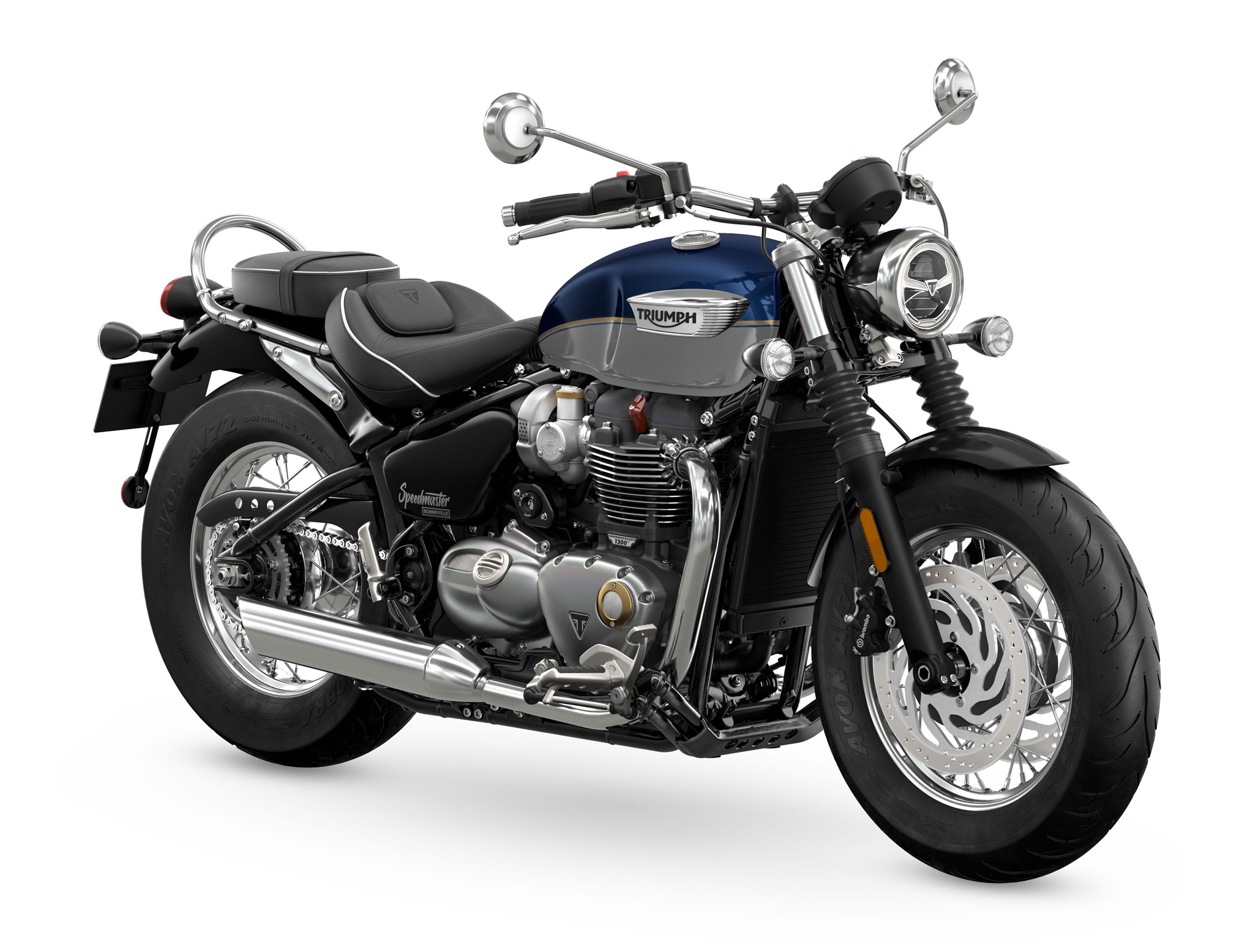
Picture this: the wind in your hair, the sun on your face, and the throaty purr of a classic engine beneath you. You’re not in some modern, computer-controlled sports car, but behind the wheel of a genuine piece of British motoring history – a Triumph Spitfire. And what’s that? You say you can’t handle a manual gearbox? Fear not, because there's a Triumph Spitfire Auto option out there for you.
The Allure of the Triumph Spitfire
The Triumph Spitfire is an icon. Designed by Giovanni Michelotti and produced by Standard-Triumph from 1962 to 1980, this small British roadster embodies the spirit of fun and open-top motoring. Its sleek lines, independent suspension, and relatively affordable price made it a hit with enthusiasts around the world. But it wasn't just about looks; the Spitfire offered a surprisingly engaging driving experience. While manual transmissions were the norm, the often overlooked Triumph Spitfire with automatic transmission offers a unique blend of classic charm and modern convenience.
A Brief History
The Triumph Spitfire was conceived as a rival to the Austin-Healey Sprite. The idea was to offer a sporty and affordable car that appealed to a wide audience. The Spitfire's body was mounted on a separate chassis, a feature that made it relatively easy to manufacture and maintain. Over its production run, the Spitfire went through several iterations, each with its own improvements and refinements. The Mk I, Mk II, Mk III, Mk IV and 1500 models each offered a slightly different driving experience and aesthetic. Each model has its own loyal following, with enthusiasts cherishing the unique characteristics of each iteration of the Triumph Spitfire Auto.
Triumph Spitfire Auto: An Overview
While often overshadowed by its manual counterpart, the Triumph Spitfire Auto did exist, although it was far less common. The automatic transmission option was introduced to broaden the Spitfire's appeal, particularly in markets like the United States where automatic gearboxes were more popular. This provided a less engaging yet easier driving experience, widening the customer base that could consider owning and enjoying the car. While the manual transmission is favored for those that want a raw, engaging driving experience, theTriumph Spitfire Auto provides a driving experience more oriented towards cruising and enjoying the scenery.
Automatic Transmission Details
The automatic transmission offered in the Triumph Spitfire was typically a Borg-Warner 35 three-speed unit. This transmission, while not known for its lightning-fast shifts, provided smooth and reliable performance. It was a fully automatic transmission, meaning no clutch pedal was required, and the driver simply selected "Drive" and the car took care of the rest. Some enthusiasts argue that it sacrifices some of the Spitfire's sporty character, but others appreciate the added convenience, particularly in urban environments. The benefits of aTriumph Spitfire Auto include:
- Easier driving in traffic.
- Reduced driver fatigue on long journeys.
- A more relaxed driving experience overall.
- Accessibility for drivers who prefer or require an automatic transmission.
The downside to theTriumph Spitfire Auto is a slight reduction in performance and fuel economy when compared to the manual versions. The added weight and inherent inefficiencies of the automatic transmission contribute to this. However, the difference is generally not significant enough to deter those who prioritize convenience and ease of use. It's important to remember that both the automatic and manual versions were never about outright performance, but more about fun and open-air driving.
Is a Triumph Spitfire Auto Right for You?
Deciding whether a Triumph Spitfire Auto is the right choice depends on your individual needs and preferences. Here are some factors to consider:
- Your driving style: Do you prefer a more relaxed, laid-back driving experience, or do you enjoy the engagement of a manual gearbox?
- Your driving environment: Do you primarily drive in heavy traffic, or do you mostly drive on open roads?
- Your physical limitations: Do you have any physical limitations that make it difficult to operate a clutch pedal?
- Your personal preferences: Ultimately, the decision comes down to what you personally enjoy.
Weighing the Pros and Cons
To help you make a more informed decision, let's weigh the pros and cons of aTriumph Spitfire Auto:
| Pros | Cons |
|---|---|
| Easier to drive, especially in traffic | Slightly reduced performance |
| More relaxed driving experience | Slightly reduced fuel economy |
| Suitable for drivers who prefer automatic transmissions | Potentially less engaging driving experience for some |
| Can potentially broaden appeal to a wider audience | Fewer available models compared to manual versions |
Finding and Maintaining a Triumph Spitfire Auto
Finding a Triumph Spitfire Auto can be a bit more challenging than finding a manual version, as they were produced in smaller numbers. Online marketplaces, classic car dealers, and Triumph enthusiast clubs are all good places to start your search. When evaluating a potential purchase, it's important to thoroughly inspect the car for rust, mechanical issues, and the overall condition of the body and interior. Pay close attention to the automatic transmission, as repairs can be costly.
Maintenance Tips
Maintaining a classic car like a Triumph Spitfire Auto requires a bit more attention than a modern vehicle. Here are some key maintenance tips:
- Regular servicing: Stick to a regular maintenance schedule, including oil changes, tune-ups, and brake inspections.
- Keep an eye on fluids: Regularly check the levels of all fluids, including engine oil, coolant, brake fluid, and transmission fluid.
- Address rust promptly: Rust is a common problem with classic cars, so address any signs of rust as soon as possible.
- Join a club: Joining a Triumph enthusiast club can provide valuable resources, advice, and support.
- Find a reliable mechanic: Find a mechanic who is experienced in working on classic British cars.
Parts availability for Triumph Spitfires is generally good, thanks to a dedicated network of suppliers and enthusiasts. However, parts specific to the automatic transmission may be more difficult to find. It's a good idea to research parts availability and potential repair costs before purchasing aTriumph Spitfire Auto.
The Triumph Spitfire Auto:A Unique and Enjoyable Classic
The Triumph Spitfire Auto offers a unique and enjoyable way to experience the classic British roadster. While it may not appeal to purists who demand a manual gearbox, it provides a more accessible and convenient option for those who prefer automatic transmissions. If you're looking for a classic car that's both stylish and easy to drive, theTriumph Spitfire Auto is definitely worth considering. With proper care and maintenance, you can enjoy years of open-top motoring fun in this iconic British sports car.